01
Clarity first
A light roast preserves the coffee's own acidity, florals and sweetness rather than layering roast flavours on top. Every cup should taste of its origin.
Beverages no longer served· Coffee bean orders continue as usual
Tap here to read the noticeCraft & Roasting
We roast light, exclusively. Every batch starts from the green bean itself — a bespoke profile built to carry each origin's character into the cup. No excess caramelisation, only clarity: fruit, florals and tea-like finish.
01
A light roast preserves the coffee's own acidity, florals and sweetness rather than layering roast flavours on top. Every cup should taste of its origin.
02
Bean structure, density and moisture are assessed before roasting, then drying, Maillard and development stages are set for that specific lot — never one curve for everything.
03
Small batches with full temperature logging per roast, so the same coffee tastes the same across every batch we release.
The process
01
Micro-lots are selected by origin, process and cupping score; every delivery is inspected for bean structure, density and moisture.
02
Each coffee gets its own roast curve — drying, Maillard and development phases each with defined temperature and time targets.
03
Light roasts in micro-batches, monitored by sensors throughout, with the drop point locked to a defined development ratio.
04
Every batch is cupped against its target flavour profile before release; batches that miss the standard never ship.
Illustrative profile
Bean temperature rises steadily through each phase, with development held to a defined ratio of total time to lock in bright acidity and a clean finish.
The clean cup story
“Your coffee tastes so clean.”
— What guests tell us most after their first cup
A clean cup is never luck: batch-by-batch green screening, process control at origin and a temperature-precise roast curve each strip defects away — so hot water carries only the origin's own character, fully released.
01
Every delivery is inspected for bean structure, density and moisture; defective and floating beans are pulled out, and process and drying are vetted lot by lot — so the green coffee itself is clean before it ever meets heat.
02
Drying, Maillard and development each hold defined temperature and time targets, preventing scorching and excess caramelisation — no smoke, char or astringency in the cup, only the bean speaking for itself.
03
Every batch is cupped against its flavour target before release; any cup showing taint is held back, and beans rest fully before packing — so the cleanliness you taste stays consistent, batch after batch.
Roast science · Facts only
Everything below is verifiable, publicly documented roasting science — unrelated to any brand, equipment or supplier, shared purely for education.
01
Late in the roast, vaporised moisture builds pressure inside the bean until its structure fractures with an audible pop — first crack. It marks a physical change in the bean, and the time from this moment is the 'development phase', the decisive window for acidity, sweetness and roast degree.
02
Freshly roasted beans hold a large amount of carbon dioxide, which escapes over the following days. Brewing while gas levels are high disrupts contact between water and grounds, giving uneven extraction — so beans rest after roasting until the flavour stabilises. This is called 'resting' or 'degassing'.
03
The same bean roasted light retains more organic acids — bright, floral and fruity. Roasted dark, acidity falls while caramelisation and bitter compounds grow, turning the cup heavier. No roast degree is 'better'; each simply presents a different flavour direction.
04
A roasted bean's aromatic compounds volatilise over time, and oxygen, light, heat and moisture speed the loss. Sealed, dark and cool storage is the accepted way to slow it down — and once opened, drinking sooner simply tastes better.
For processing methods, trade rules and roasting chemistry in depth, visit the Coffee Knowledge library.
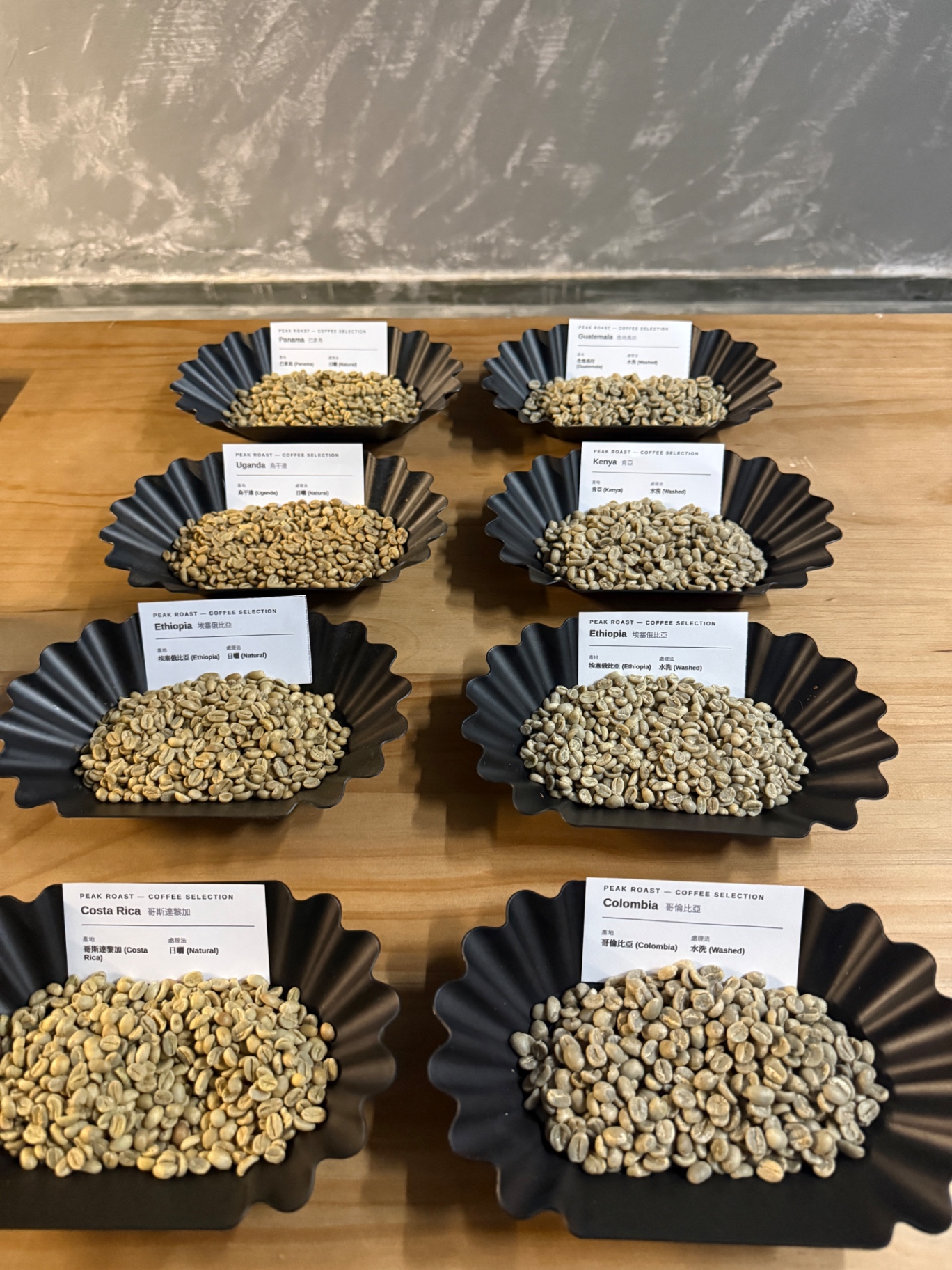
Pre-roast green coffee · Current lots
Every green lot begins with a close inspection of bean structure, density and moisture before its roast profile is defined by origin and process.
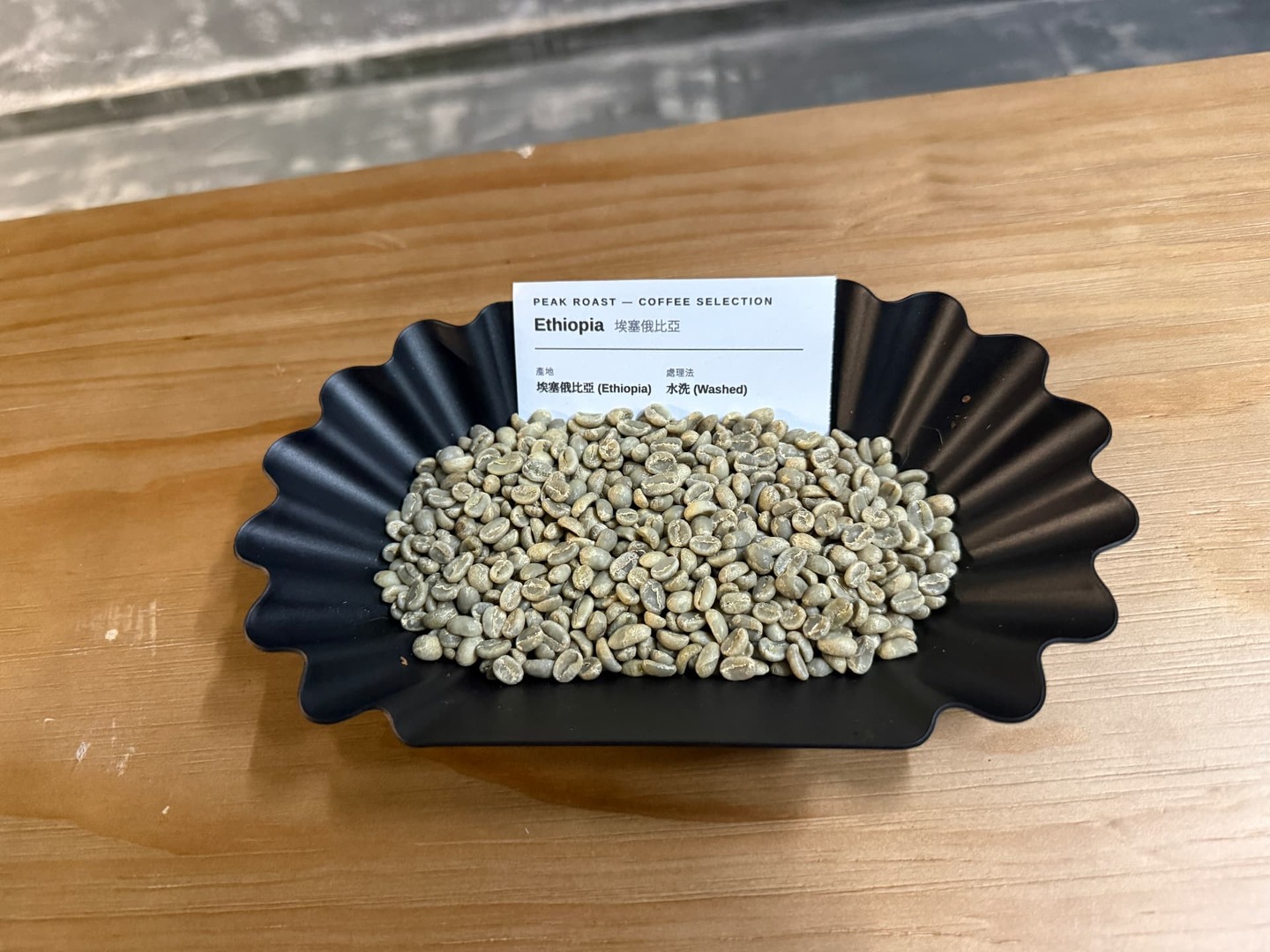
Ethiopia
ET · 01Process · Washed
Lot documents: Phytosanitary certificate · Export documents
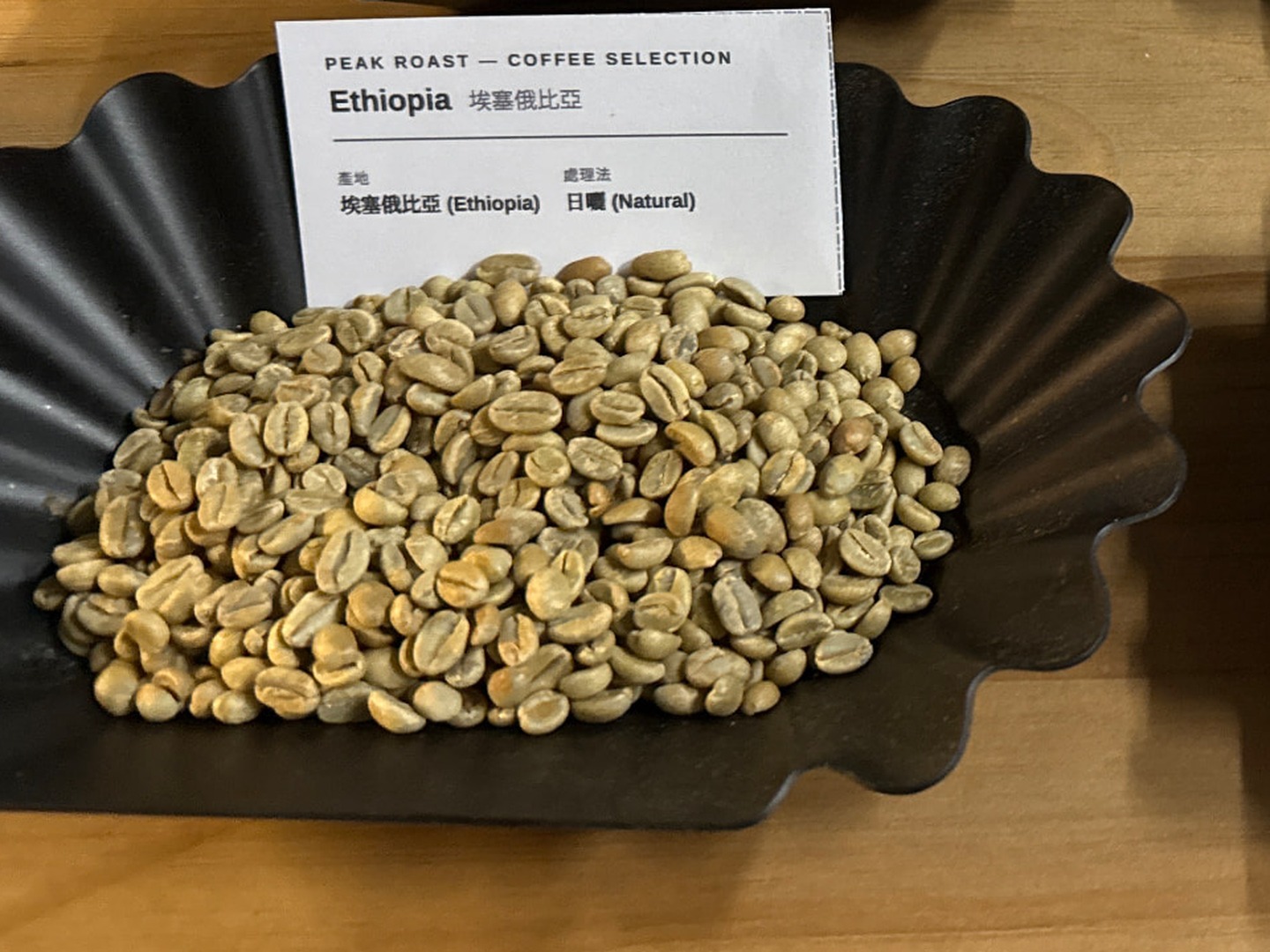
Ethiopia
ET · 08Process · Natural
Lot documents: Phytosanitary certificate · Export documents
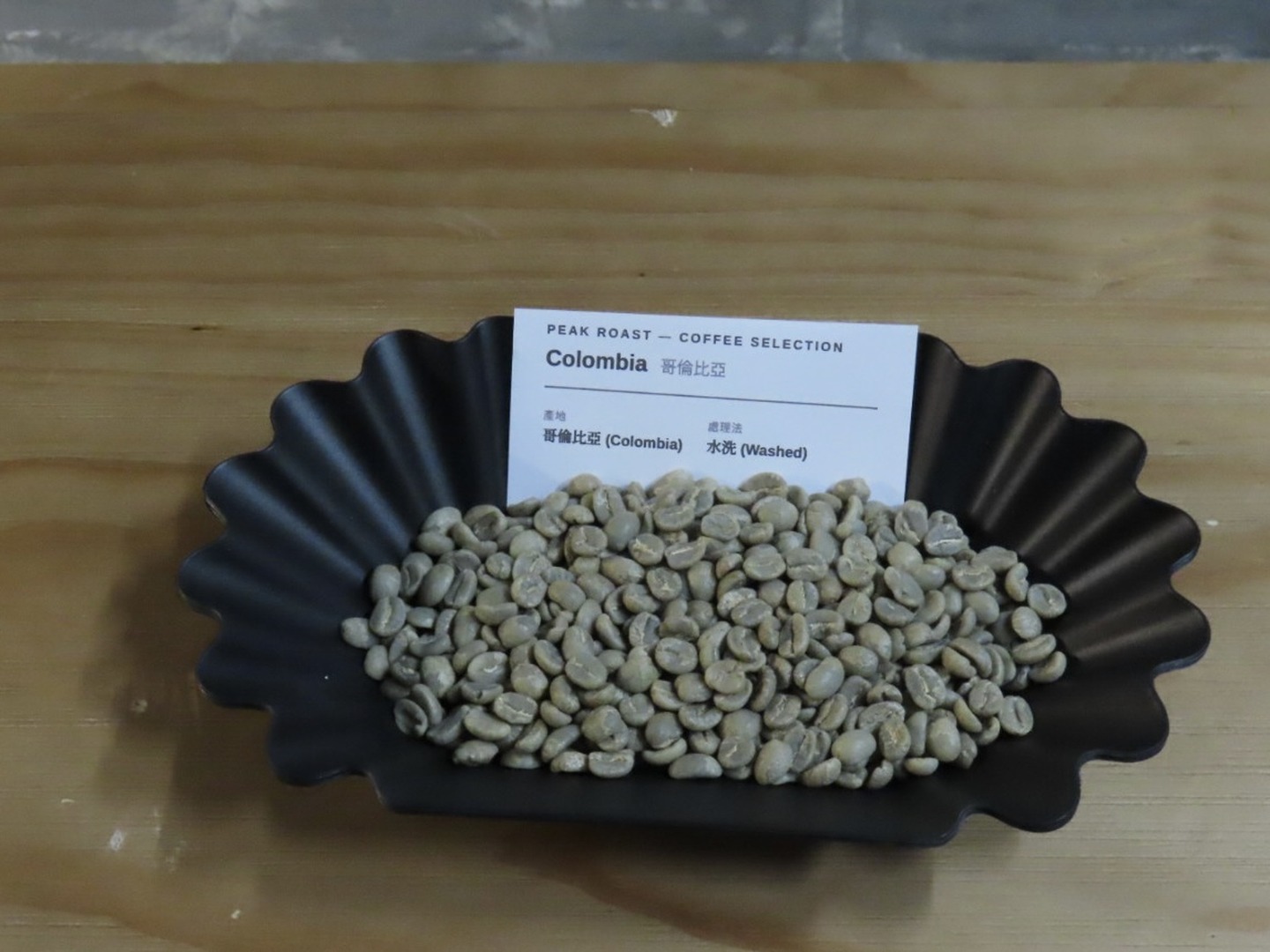
Colombia
CO · 02Process · Washed
Lot documents: Phytosanitary certificate · Export documents
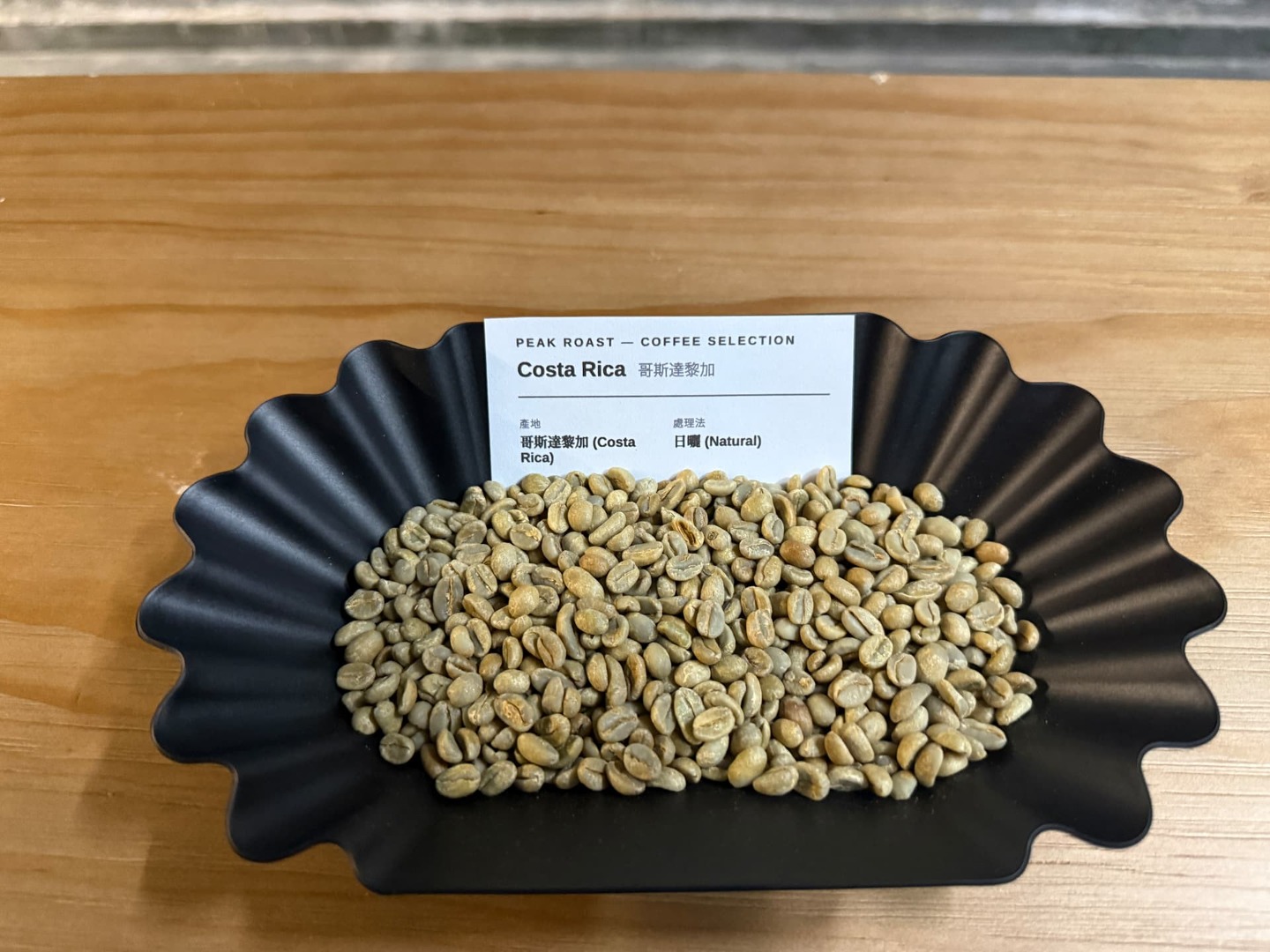
Costa Rica
CR · 03Process · Natural
Lot documents: Phytosanitary certificate · Export documents
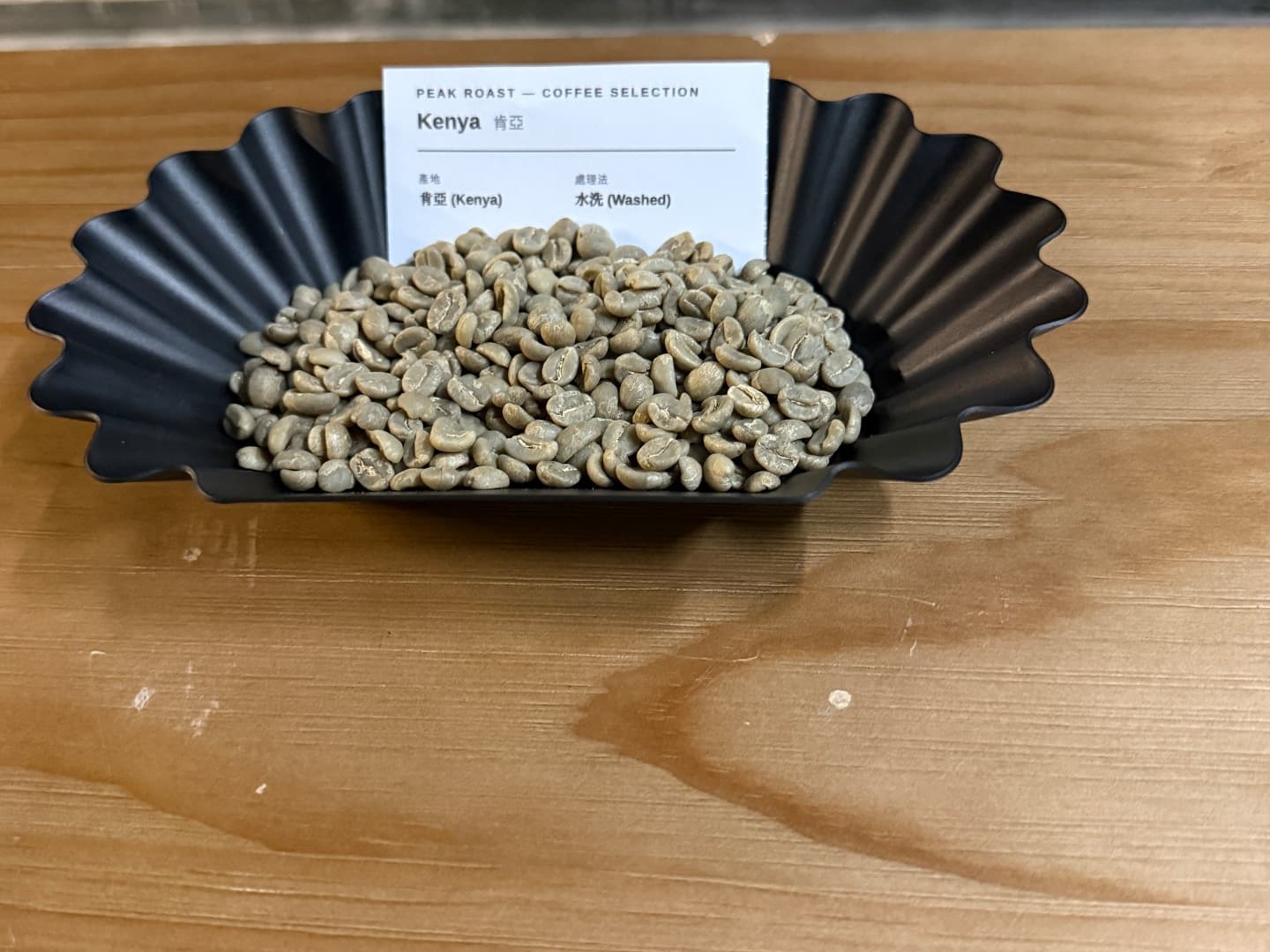
Kenya
KE · 05Process · Washed
Lot documents: Phytosanitary certificate · Export documents
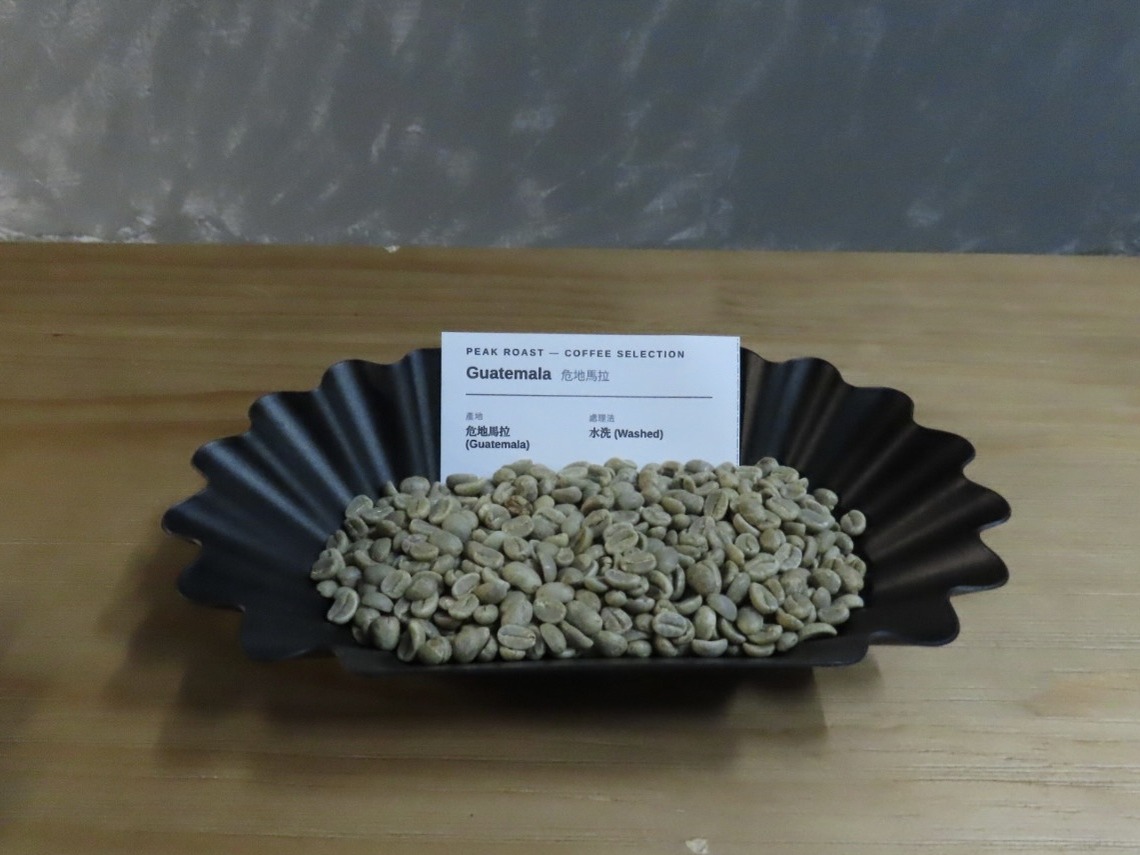
Guatemala
GT · 06Process · Washed
Lot documents: Phytosanitary certificate · Export documents
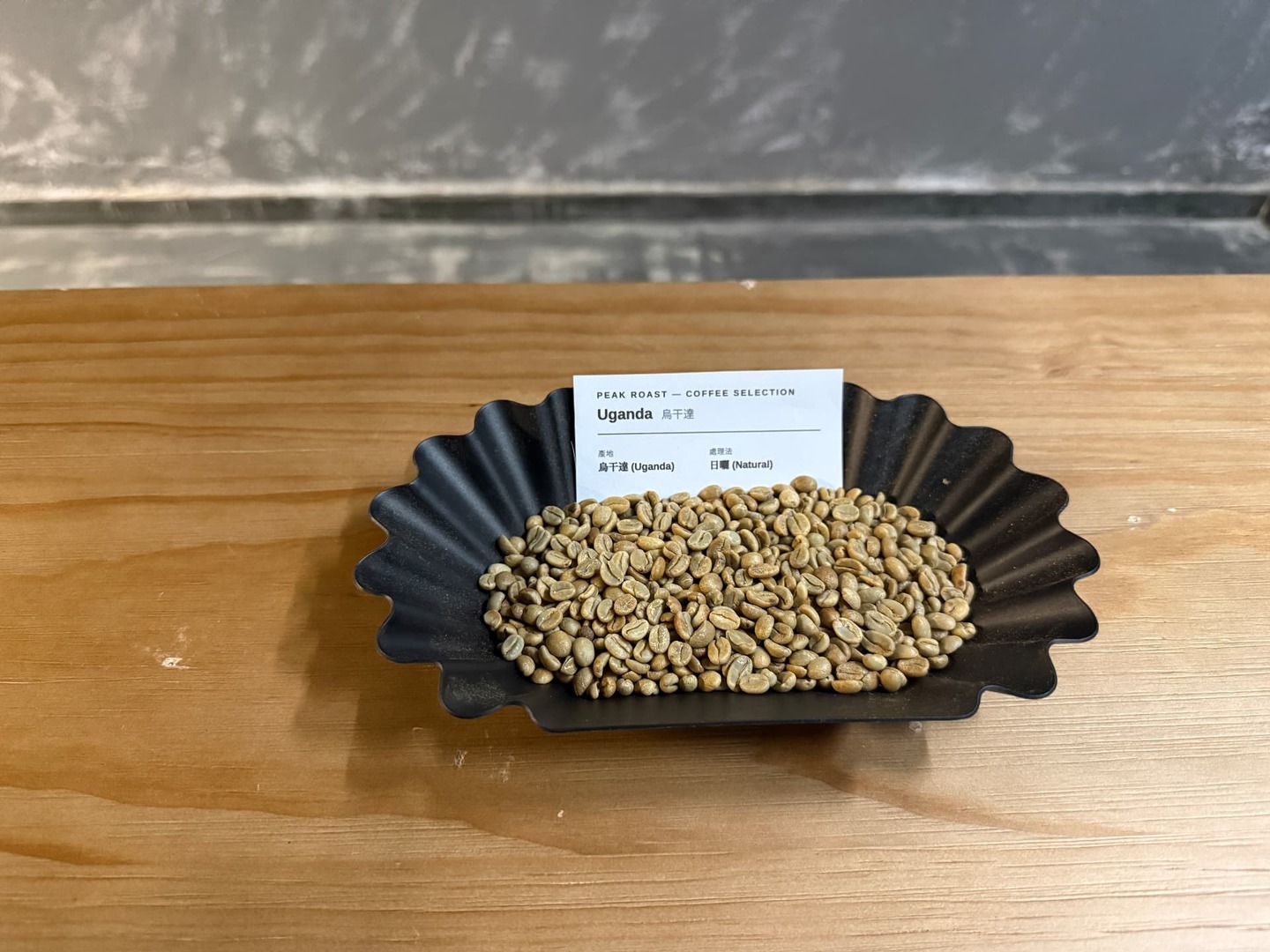
Uganda
UG · 04Process · Natural
Lot documents: Phytosanitary certificate · Export documents
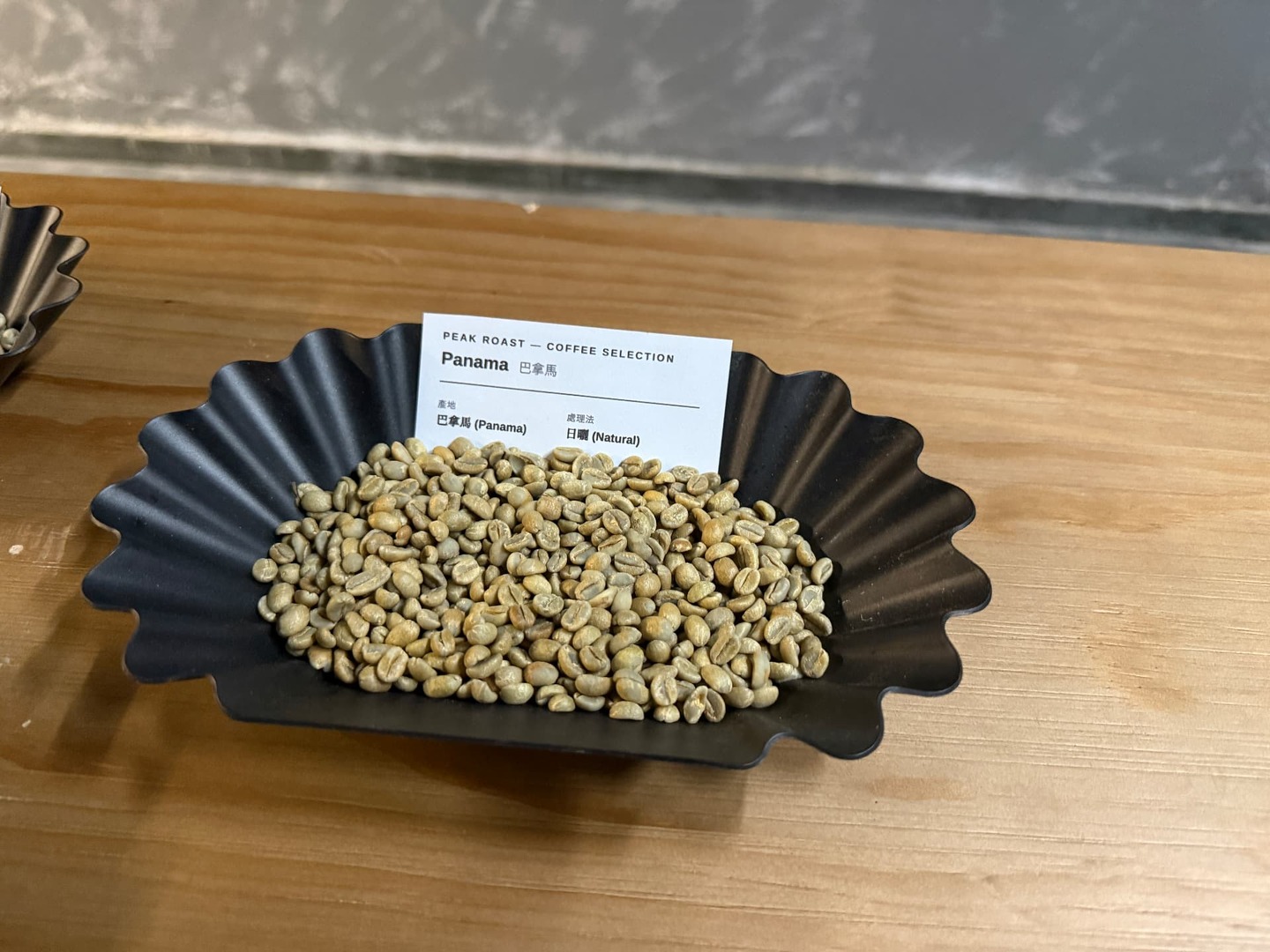
Panama
PA · 07Process · Natural
Lot documents: Phytosanitary certificate · Export documents
Important notice
See the notice for details.
From 7 Oct 2026
OSLO, PRAGUE, VIENNA, ZURICH — each $130 / 200g.